
Coal Conveyor Belt for Coal Mines, Coal Handling and Thermal Power Plants
Coal conveying combines combustible dust, long operating hours and transfer points where spillage can build up. The belt needs to match the material, the conveyor layout and the site’s fire-performance requirements.
Hongkun manufactures rubber conveyor belts at its own factory in Qingdao, China. We supply belts for coal mine transport, coal handling systems and thermal power plant replacement projects.
Send your coal conveyor duty or existing belt specification for a factory quotation.
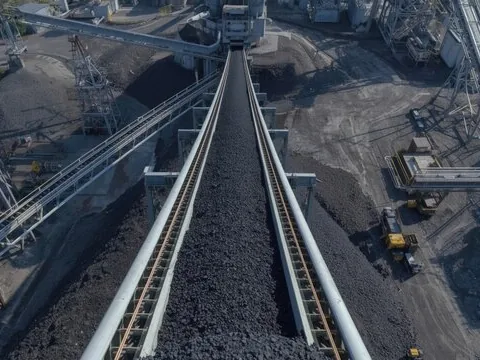
Coal Conveyor Belts We Supply
For each conveyor, coal lump size, loading impact and working tension help define the belt construction. EP, NN and steel cord describe the reinforcement inside the belt. Fire and antistatic requirements must be specified separately.
On small screens, swipe the table sideways.
| Belt type | Coal handling duty | Product page |
|---|---|---|
| Fire resistant belts | Coal transport with defined flame-test requirements; confirm electrical properties and installation requirements separately. | Fire resistant conveyor belts |
| EP / NN multi-ply belts | Coal preparation and plant transfers; match belt strength, ply count, covers and pulley dimensions. | EP conveyor belts · NN conveyor belts |
| Steel cord belts | Long routes and high-tension coal conveyors where limiting belt stretch is important. | Steel cord conveyor belts |
| Corrugated sidewall belts | Steep-incline coal transport using sidewalls and cleats to retain material. | Corrugated sidewall conveyor belts |
| Pipe conveyor belts | Enclosed carrying sections on conveyors designed for tube formation and the required route. | Pipe conveyor belts |
Hongkun manufactures the belt itself. If you also need matching conveyor components, such as idlers, belt cleaners or splicing materials, we can source them from suppliers in China and ship them with your belt order. List the items with your inquiry and we will quote them separately.
Fire Resistant & Antistatic Belts for Coal
Coal dust is combustible, and frictional heating from misaligned or damaged belts can start a fire. Coal buildup near moving components adds combustible material around the conveyor. Belt selection needs to address these conditions alongside the plant’s dust control and maintenance arrangements.
Specify fire performance and electrical properties separately when ordering a flame-retardant conveyor belt for coal:
- Fire performance: the belt’s response to an ignition source under a specified flame test.
- Antistatic performance: electrical properties assessed by an electrical resistance test to limit static charge buildup.
Hongkun’s fire resistant conveyor belts use textile reinforcement and flame-retardant rubber covers. Where your project also requires antistatic performance, send the resistance limits, test method and required product documents.
Include the standard, edition, grade and installation type in your inquiry. We review the proposed construction and available supporting documents before confirming supply.
Coal Mine Conveyor Belts
A coal mining belt must suit its location in the mine’s transport system. Surface conveyors need review for loading impact, abrasion, weather exposure and route length. Fire and antistatic requirements still apply wherever the project specifies them.
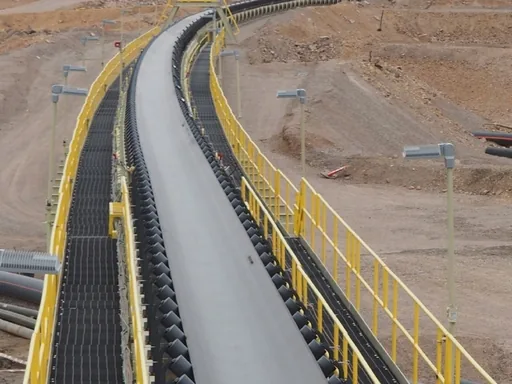
For a below-ground coal mine conveyor belt, send the mine location, installation details and required tests or approvals. A general fire-resistant product description does not establish suitability for that installation.
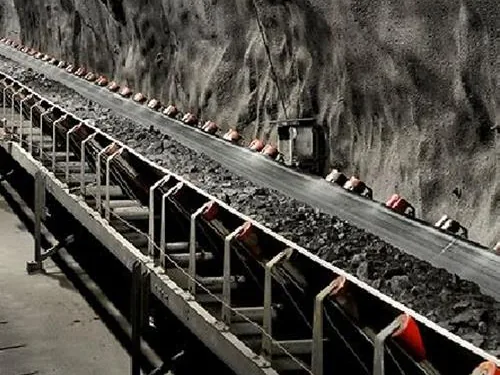
For other mined materials and related conveyor duties, see our mining conveyor belt page.
Coal Handling Conveyor Belts at Thermal Power Plants
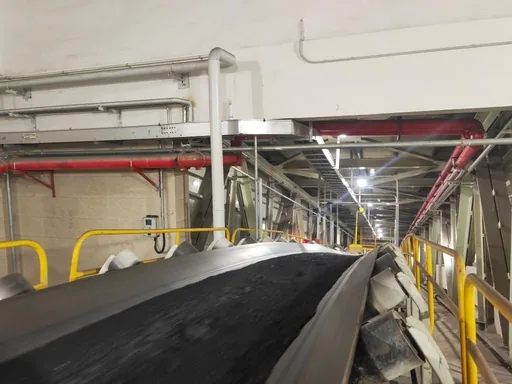
Specify each coal handling conveyor belt by its position in the fuel route. A common arrangement runs from unloading through coal storage and reclaim, then crusher-house transfers and bunker feed. Use the plant drawing to confirm the actual sequence.
On small screens, swipe the table sideways.
| Plant stage | Operating conditions | Details for belt selection |
|---|---|---|
| Coal receiving and unloading | Variable lump sizes, loading impact and sudden changes in feed. | Maximum lump size, drop height, receiving capacity and loading support. |
| Stockyard stacking and reclaim | Outdoor exposure, moisture and conveyors with different lengths and tensions. | Route length, belt speed, working tension, weather conditions and take-up arrangement. |
| Crusher house transfers | Larger lumps before crushing; smaller coal and fines at the discharge. | Coal size before and after crushing, chute layout, impact and cover wear. |
| Boiler bunker feed | Repeated transfers and distribution points where dust, spillage and carryback (coal left on the returning belt) need control. | Tripper or distribution layout, loading points, cleaning arrangement and plant fire-performance specification. |
A thermal power plant conveyor belt is selected for the coal it carries, not the boiler’s combustion temperature. State any actual hot-material exposure separately.
Pipe Conveyor Belt for Coal
A pipe conveyor belt for coal forms an enclosed carrying section to help contain material and limit spillage. The belt opens at loading and discharge, where dust and material controls are still needed.
Curved routes are possible when the belt and conveyor are designed for them. The permitted curve radius depends on the route, belt construction and operating conditions.
Send the pipe diameter, belt dimensions, route drawing, tension data and cover requirements. For a replacement, include the original specification and any problems with closure, belt rotation or leakage.
Steep Incline Coal Conveyors
Corrugated sidewall conveyor belts use sidewalls and transverse cleats to carry coal on steep routes. They can be considered where space is limited or the layout requires a substantial lift.
For a steep incline coal conveyor, provide the angle, lift, capacity, coal density and maximum lump size. For replacements, include the base belt width, sidewall height, cleat profile and spacing; the sidewall belt dimensions and quotation guide shows what to measure.
Any fire or antistatic requirement needs review for the complete assembly, including the base belt, sidewalls, cleats and splice materials.
Replacement Belts for Coal Conveyors
Hongkun supplies replacement belts from confirmed dimensions, specifications, drawings or samples. We match the existing equipment and review why the previous belt needs replacing.
Send the following information:
- Belt width, total length and required quantity.
- Fabric type, strength rating and ply count (number of fabric layers), or the steel cord strength rating (ST).
- Top and bottom cover thicknesses and cover grade.
- Splice details, pulley dimensions and available conveyor drawings.
- Coal size, moisture, belt speed and loading conditions.
- Existing belt markings, damage photos and required fire or electrical performance.
For pipe or sidewall belts, add the relevant forming or profile dimensions. Include your planned shutdown date so we can review the supply schedule.
Work Directly with a Coal Conveyor Belt Manufacturer
Work with Hongkun’s manufacturing team in Qingdao to review your coal conveyor belt requirements. The team that reviews your duty also confirms what the factory will build, and the agreed specification is written down before production.
Start with the conveyor’s role, belt dimensions, quantity and destination. Attach the old specification or project drawing, and identify any required flame tests, electrical resistance limits and acceptance documents.
If you are still comparing belt types, use our conveyor belt selection tool for preliminary guidance. Send the available details for a quotation even if some specifications still need checking.
Evaluate Hongkun as a Belt Supplier for Coal & Power with AI
Let AI match belt types to your working conditions, review Hongkun’s relevant products, and prepare an accurate quotation request.
Coal Conveyor Belt FAQ
Can you supply replacement belts for existing coal conveyors?
Yes. Send the old belt marking, dimensions, drawing or photos. We review the reinforcement, covers, splice and equipment requirements before confirming production. Pipe and sidewall belts need their additional construction details.
Can a fire-resistant belt be used directly in a below-ground coal mine?
Suitability needs a separate review. The belt must meet the installation’s specified tests and any required approval scope. Send the project location and mine specification before ordering.
What is the difference between fire resistance and antistatic performance?
Fire resistance concerns the belt’s response to an ignition source under a defined test. Antistatic performance concerns electrical properties that limit charge buildup. One test result does not establish both properties.
Can coal and limestone conveyors at a power plant use the same belt?
They may use similar constructions, but confirm each duty separately. Coal handling and limestone handling for flue gas desulfurization can involve different abrasion, lump sizes, moisture and fire requirements. Specify the material and conveyor data for each line.
What is the minimum order quantity?
The minimum order depends on the belt type, dimensions, compound and required length. Send your quantity or replacement requirement so we can confirm the applicable production minimum.
What is the production lead time?
Lead time is confirmed with the quotation after reviewing the specification, quantity and required testing or documents. Include your destination and required arrival date; production time and freight transit are considered separately.
