
Iron Ore Conveyor Belt for Steel Plants: Ore Yard to Blast Furnace
Hongkun manufactures and supplies conveyor belts for iron ore and steel plant material handling from our own factory in Qingdao, China. We have supplied conveyor belts to steel plants in Southeast Asia.
From ore-yard transfer to sinter, pellet, coke and blast furnace feed routes, we can review your belt requirements and quote against your specifications. Send the material details, operating temperatures and existing belt construction so we can confirm the appropriate supply scope.
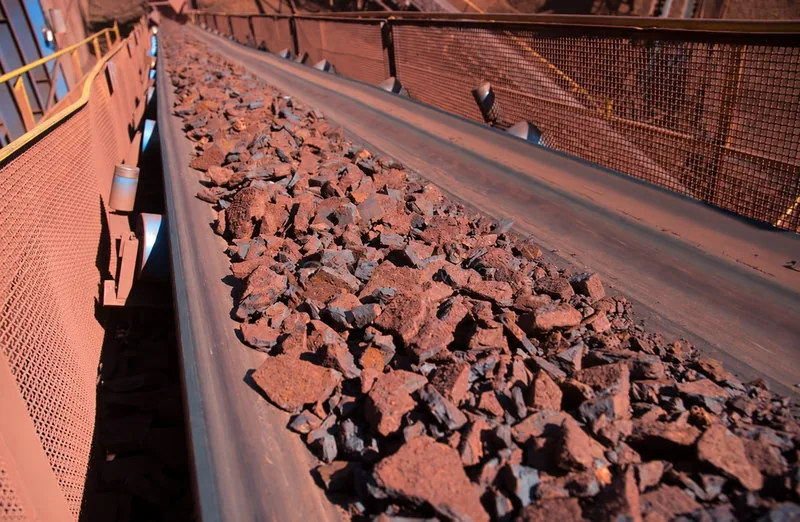
Iron Ore and Steel Plant Conveyor Belts We Supply
A steel plant conveyor belt needs to match the material and the conveyor where it will run. Use the table below to find the relevant product page, then send the specifications for your plant section.
On small screens, swipe the table sideways.
| Belt option | Plant section or duty | Product page |
|---|---|---|
| Abrasion resistant belts | Ore yards, crushed iron ore and stacker-reclaimer transfer duties. | Abrasion resistant conveyor belts |
| EP / NN fabric belts | General plant transfer and additive handling, subject to tension and cover requirements. | EP conveyor belts · NN conveyor belts |
| Steel cord belts | High-tension blast furnace feed routes and long-distance transfer. | Steel cord conveyor belts |
| Heat resistant belts | Sinter, pellets or coke after cooling, subject to confirmed temperatures and belt limits. | Heat resistant conveyor belts |
| Fire resistant belts | Coke and coal sections where the plant specification requires fire resistance. | Fire resistant conveyor belts · Coal handling applications |
EP, NN and steel cord describe the belt reinforcement. Abrasion resistance, heat resistance and fire resistance describe separate performance requirements. Your specification may need a particular reinforcement combined with more than one cover property.
Hongkun manufactures the belt itself. If you also need matching conveyor components, such as idlers, belt cleaners or splicing materials, we can source them from suppliers in China and ship them with your belt order. List the items with your inquiry and we will quote them separately.
Rubber Conveyor Belt for Iron Ore: Weight, Lumps and Impact
When ordering a rubber conveyor belt for iron ore, consider the load, lump size and loading impact together. Large, sharp pieces can cut the cover, while heavy impact can damage the reinforcement beneath it. Selecting a cover grade alone does not address both risks.
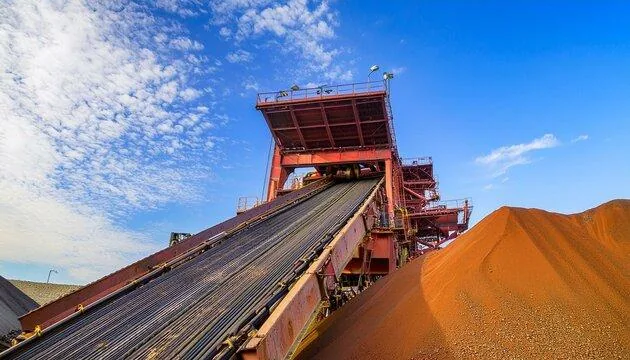
For iron ore handling at the yard, crusher discharge or transfer tower, send:
- The material type, bulk density and largest lump size.
- Belt width, speed and required throughput.
- Loading drop height and photos of the transfer point.
- Current belt construction and any cutting, gouging or impact damage.
The cover and reinforcement need to suit the same duty. If the old belt has deep cuts or repeated impact damage, review the loading arrangement and support with the plant’s conveyor team. A thicker cover alone may not solve the cause.
Our abrasion resistant conveyor belts are the starting point for ore-yard duties. For related ore and heavy-material duties at the mine, see our mining conveyor belt page.
Sinter and Pellet Conveyor Belts: Heat Resistant Grades
A sinter conveyor belt must match the material temperature after cooling, including short peaks during uneven cooler operation. A pellet plant conveyor belt also needs duty-specific confirmation: green pellets, cooled fired pellets and hot pellets do not present the same temperature conditions.
When requesting a heat resistant conveyor belt for steel plant service, provide material temperature and belt-surface temperature separately. Identify where and when the readings were taken. Do not use furnace or sintering-process temperature as the belt operating temperature.
| Temperature or duty information | What to provide |
|---|---|
| Normal material temperature | Readings at the belt loading point during stable operation. |
| Peak material temperature | Highest observed temperature, frequency and duration. |
| Belt-surface temperature | Measurement location and operating conditions. |
| Material condition | Sinter or pellet type, lump size, fines and loading depth. |
| Contact time | Belt speed, route length and any stops with hot material on the belt. |
| Existing belt condition | Heat grade, splice details and photos of cracking or other damage. |
For hot sinter or hot pellets, the cover, reinforcement and splice must be reviewed as a complete belt specification. Ask for the continuous and short-term limits of the actual belt offered. A laboratory heat-test temperature is not automatically an allowable material temperature in service.
ISO 4195:2026 specifies requirements and test methods for the relative heat resistance of rubber belt covers. Its scope concerns changes in cover properties after heat exposure. It does not by itself establish the operating limit of an entire belt or approve a belt for your plant route.
Heat resistance does not establish fire resistance. If the plant requires both, list them separately and state the applicable standards and acceptance documents.
Visit our heat resistant conveyor belt product page to discuss the grade and construction required for your sinter or pellet duty.
Coke and Coal Handling in Steel Plants
For coke handling, confirm both the temperature after cooling and the plant’s fire-safety requirements. Some duties may require heat resistance and fire resistance together. Neither property should be assumed from the other.
Before selecting a coke conveyor belt, send:
- Normal and peak coke temperatures at loading.
- Peak duration and any loaded stopping conditions.
- Required fire-resistance standard and acceptance criteria.
- Electrical conductivity or antistatic requirements, if specified.
- Existing belt grade and any required test documentation.
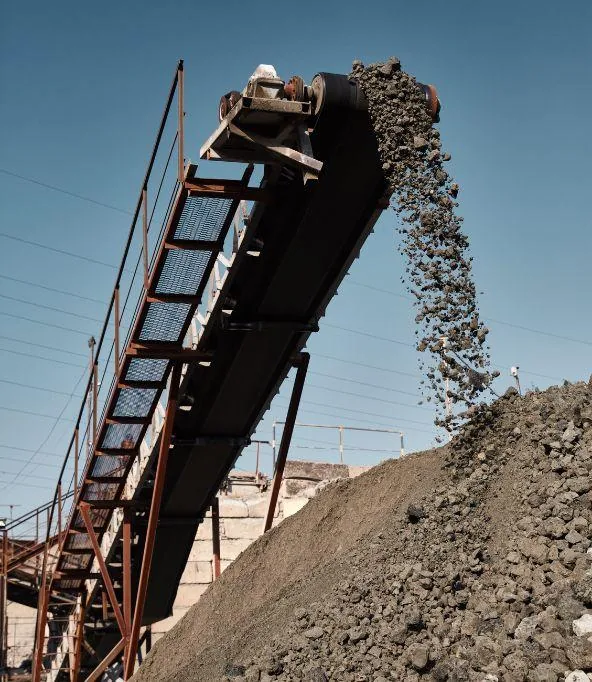
For coal and pulverized-coal sections, provide the requirements for the specific installation. Belt selection is one part of the plant’s safety review; a belt grade alone does not establish the safety of the full handling system.
See our coal conveyor belt application page for coal-related procurement requirements and our fire resistant conveyor belt page for product inquiries.
Blast Furnace Charging and Long-Distance Routes
Steel cord construction is an option for a high-tension blast furnace conveyor belt or a long-distance ore route. The required belt strength must come from the conveyor design and tension calculations. The plant section name alone does not determine whether steel cord is necessary.
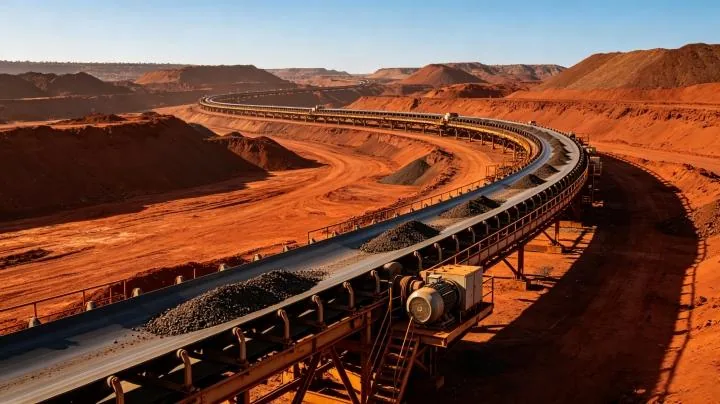
For a blast furnace main feed belt, send the following for specification review:
- Conveyor layout, lift, length, speed and design throughput.
- Design tension calculations and the specified ST strength rating, if available.
- Pulley diameters and take-up arrangement.
- Cover grade and material temperature.
- Splice design, acceptance requirements and installation constraints.
For replacement work, include the existing datasheet and splice records. Because a main feed belt affects plant availability, agree on belt supply length and splice requirements before confirming the order. Installation planning remains with the plant and its appointed conveyor or splicing team.
See our steel cord conveyor belts for high-tension and long-route belt inquiries.
Replacement Conveyor Belt for Steel Plants
To order a replacement conveyor belt for steel plant equipment, start with the current belt datasheet or purchase specification. We can quote against those requirements, subject to confirming construction, dimensions, cover properties and equipment fit.
| Information needed | Details to send |
|---|---|
| Plant section and material | Iron ore, sinter, pellets, coke, coal or additives. |
| Belt dimensions | Width, ordered length, and open-ended or endless supply. |
| Reinforcement | EP, NN or steel cord; strength rating and ply count where applicable. |
| Covers | Top and bottom thicknesses, cover grade and required standard. |
| Temperature | Normal and peak material temperatures, peak duration and available belt-surface readings. |
| Safety properties | Fire resistance and electrical requirements stated separately. |
| Conveyor and splice | Pulley diameters, take-up details, splice type and drawings. |
| Order requirements | Quantity, delivery destination and required delivery date. |
If the steel mill conveyor belt has failed early, include photos and a short description of the damage. Flag changes in throughput, ore size, temperature or operating conditions before copying the old specification.
For preliminary assistance across several belt options, use the Hongkun Conveyor Belt Selector. Final selection requires review of the conveyor design and actual operating conditions.
Work Directly with an Iron Ore Conveyor Belt Manufacturer
Send Hongkun your belt specifications and plant-section requirements for a factory quotation. Our factory team in Qingdao manufactures the belts, and we have supplied belts to steel plants in Southeast Asia.
For ore-yard belts, include lump size and loading details. For sinter, pellets or coke, add temperature readings and any safety requirements. For a blast furnace main feed belt, include the design rating and splice specification.
If records are incomplete, send the available datasheet, belt markings and clear photos. We will identify the missing information needed to confirm the proposed belt before production.
Evaluate Hongkun as a Belt Supplier for Iron Ore & Steel with AI
Let AI match belt types to your working conditions, review Hongkun’s relevant products, and prepare an accurate quotation request.
Iron Ore Conveyor Belt FAQ
What temperature can your sinter conveyor belt handle?
The allowable temperature depends on the specific belt grade, construction and exposure conditions. Send normal and peak material temperatures, peak duration and belt-surface readings where available. We will confirm the proposed belt’s continuous and short-term limits during quotation.
Which belt is best for iron ore with large, sharp lumps?
Start with an abrasion resistant cover and reinforcement suited to the conveyor load and impact duty. Send lump size, bulk density, drop height and photos of existing damage. Cover thickness alone is not enough to specify a suitable belt.
Do I need steel cord for the blast furnace main belt?
That depends on the conveyor design and calculated tension. Steel cord is an option for high-tension routes, but the required construction and ST rating need design confirmation. Send the existing belt specification and tension calculations for review.
Can a belt be both heat resistant and fire resistant for coke?
A specification can require both properties, but the particular belt offered must be confirmed against both requirements. Send the temperature profile, fire-resistance standard, electrical requirements and required test documents. A heat resistant grade alone does not prove fire resistance.
Can you supply a replacement belt matching our current specs?
Yes. We can quote against your current specifications, subject to technical confirmation. Send the belt dimensions, reinforcement, strength rating, cover thicknesses and performance requirements. Tell us if the operating conditions have changed since the original belt was selected.
Can you also supply idlers and belt cleaners?
Yes. Hongkun manufactures the belt itself, and we can source matching components such as idlers, belt cleaners or splicing materials from suppliers in China and ship them with your belt order. List the items with your inquiry and we will quote them separately.
