
Industrial Belt & Rubber Track Manufacturing Since 1985
Qingdao Hongkun Precision Engineering manufactures shot blasting rubber tracks, corrugated sidewall conveyor belts, bucket elevator belts, steel cord conveyor belts, vacuum filter belts, and custom wear-resistant rubber parts.
We support equipment manufacturers, distributors, maintenance companies, and industrial end users with OEM replacement and custom production. Products can be manufactured from approved drawings, confirmed dimensions, machine information, or existing samples.
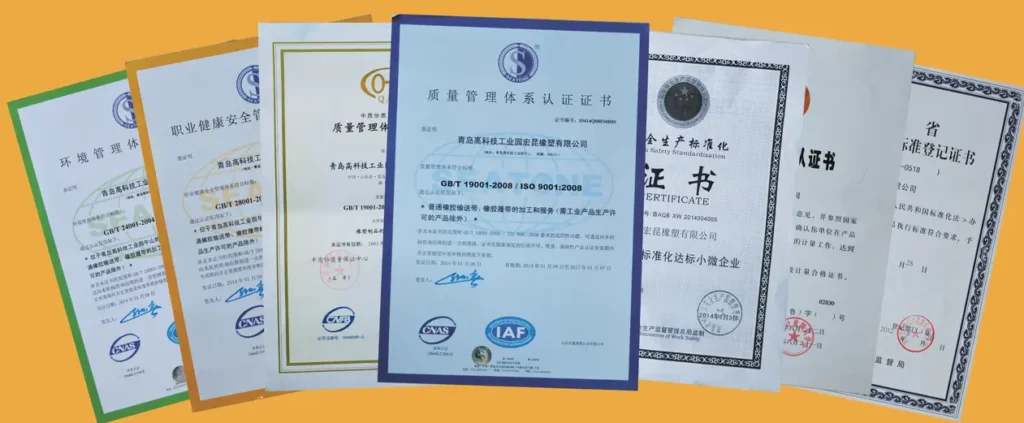 Certificates & Qualifications
Management-system certification applies to the organization and the scope stated on each certificate. It does not represent separate product certification for every individual belt or rubber component.
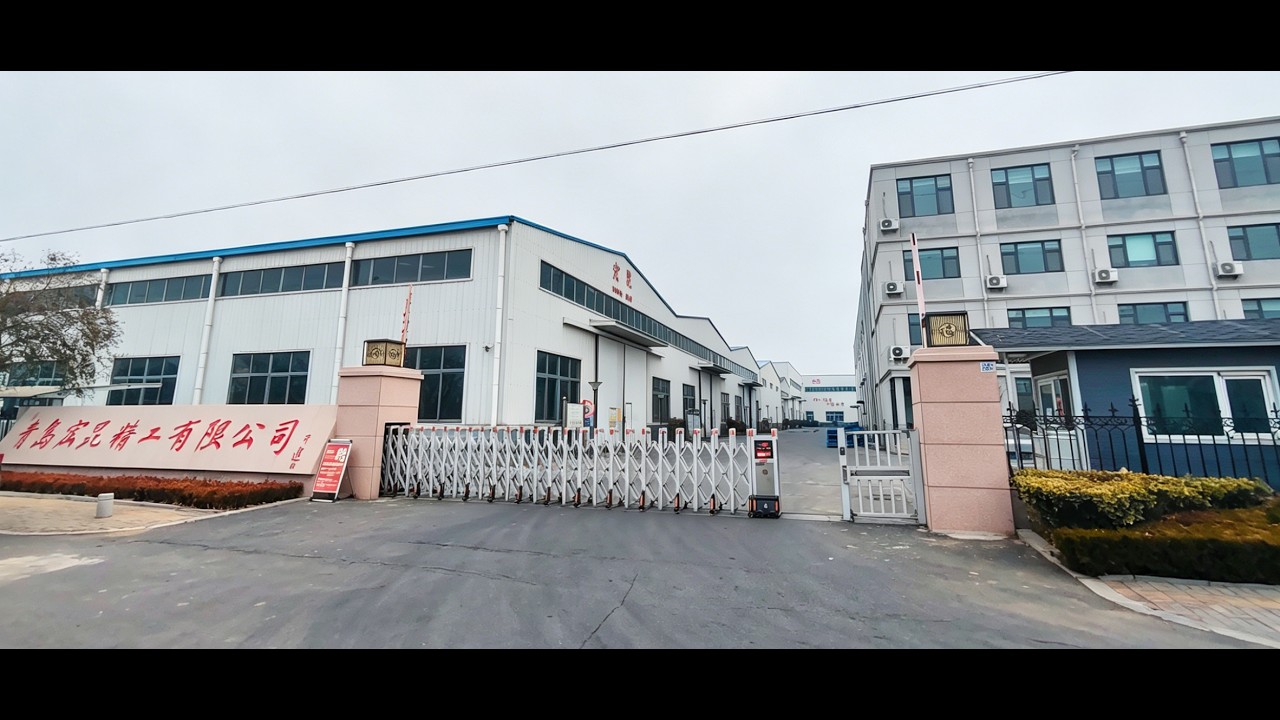
See Our Manufacturing Facility and Production Process
Take a closer look inside Hongkun Belting’s manufacturing facility, including rubber processing, belt production, workshop operations, dimensional inspection, and finished industrial belt preparation.
Trusted by Industrial Partners
Hongkun supplies customized industrial conveyor belts and replacement rubber products for equipment manufacturers, distributors, maintenance companies, and industrial users.









Product Development, Patented Technology & Custom Manufacturing Experience
Hongkun combines long-term rubber-product manufacturing experience with patented product development and application-specific engineering for shot blasting rubber tracks, conveyor belts, bucket elevator belts, and wear-resistant rubber components. Our dedicated laboratory testing and production quality-control capabilities are presented in the following section.
Early Q3212 / 1850 Rubber Track Development
Hongkun is among the earlier Chinese companies engaged in the research, development, and production of Q3212 (1850) tumble-blast rubber tracks and tear-resistant track constructions. This experience supports replacement development for different machine sizes, workpiece loads, perforation layouts, cleats, sidewalls, reinforcement structures, and operating conditions.
Patented Product and Process Development
Continued investment in product development has resulted in multiple national patents . Development work covers rubber-track structures, industrial belt constructions, reinforcement arrangements, production methods, and application-specific product improvements.
Drawing-, Sample- and Machine-Based Engineering
Replacement and customized products can be reviewed from approved drawings, confirmed dimensions, machine information, photos, operating data, or existing samples . This is especially useful when an original part number is unavailable or when the existing product requires adjustment.
Technical note: patent history and early product-development experience demonstrate Hongkun’s manufacturing background. Final suitability and performance depend on the approved specification, machine condition, installation, workpiece or material characteristics, operating load, and maintenance.
Laboratory Testing and Production Quality Control
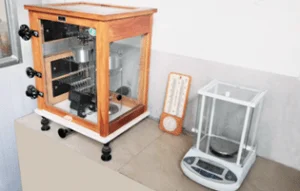
Hongkun uses in-house laboratory and inspection equipment to evaluate selected rubber compounds, reinforcement materials, semi-finished components, and finished products. Testing supports material selection, process control, dimensional verification, and final product inspection according to applicable specifications and project requirements.
 01
01
Quality-Control Laboratory
In-house laboratory environment for selected material and production inspection activities.
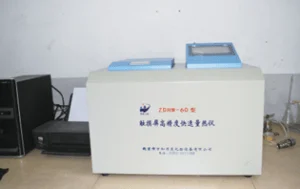 02
02
Rubber Inspection Equipment
Equipment used for selected rubber-material and industrial component inspection.
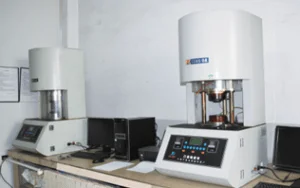 03
03
Tensile Strength Testing
Tensile-testing equipment used for prepared rubber and reinforcement specimens.
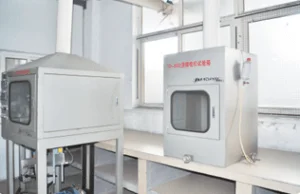 04
04
Raw-Material Testing
Selected raw materials are checked according to product and production requirements.
Rubber Tensile and Elongation Testing
Tensile testing measures the force required to stretch and break a prepared rubber specimen. Elongation testing records the change in specimen length before rupture under the applicable test conditions.
Abrasion Resistance Testing
Abrasion testing measures rubber volume loss under standardized contact and friction conditions. The test helps compare rubber compounds intended for belts and wear-resistant parts exposed to abrasive materials.
Thermal Aging and Tear Resistance Testing
Thermal aging tests evaluate changes in rubber properties after controlled heat exposure. Tear resistance testing measures the force required to continue a cut or tear in a prepared specimen.
Testing items and sampling frequency may vary by product type, order specification, production stage, customer requirement, and applicable test method. Laboratory results support quality evaluation but do not independently determine actual service life.
