
Mining Conveyor Belt for Ore Handling, Underground and Open-Pit Conveyors
A mining conveyor belt has to suit both the material it carries and the conveyor it runs on. Ore and crushed rock wear and cut the cover, long routes place high tension on the carcass, and underground installations bring their own fire-performance requirements.
Hongkun manufactures rubber conveyor belts at its own factory in Qingdao, China, for the mining industry and mineral processing. We supply EP, NN, steel cord and corrugated sidewall belts for ore transfer, long-distance conveying and steep-incline routes, for both new equipment and replacement projects.
Send your conveyor requirements or existing belt specification for a factory quotation.
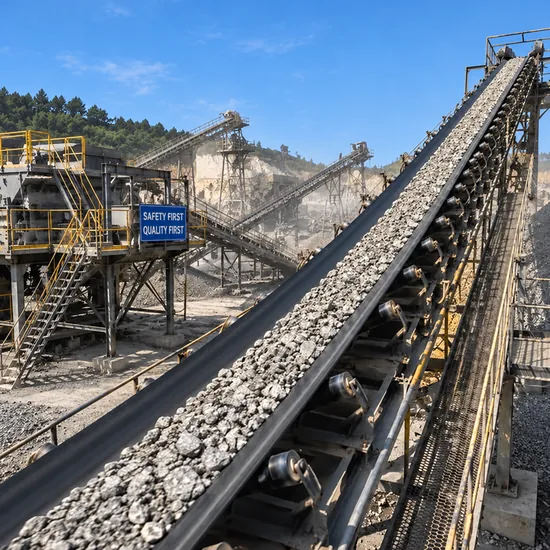
Mining Conveyor Belts We Supply
Choose the belt construction for your conveyor and the rubber covers for the material. EP, NN and steel cord describe the reinforcement; abrasion, fire and heat resistance describe separate cover and performance requirements. Most mining belts need to be specified on both counts.
On small screens, swipe the table sideways.
| Belt type | Operating conditions | Product page |
|---|---|---|
| EP / NN multi-ply belts | Plant transfer, crushing and screening conveyors; select for tension, impact, pulley size and take-up travel. | EP conveyor belts · NN conveyor belts |
| Steel cord belts | Long-distance routes, high working tension and applications requiring low operational elongation. | Steel cord conveyor belts |
| Abrasion resistant belts | Ore, crushed rock and abrasive bulk materials; review surface wear, sharp lumps and loading impact. | Abrasion resistant conveyor belts |
| Fire resistant belts | Conveyors with specified flame-performance requirements; underground suitability requires a separate project review. | Fire resistant conveyor belts |
| Corrugated sidewall belts | Steep-incline routes requiring sidewalls and cleats to retain bulk material. | Corrugated sidewall conveyor belts |
| Heat resistant belts | Heated mineral-processing materials; select for actual temperature and contact conditions. | Heat resistant conveyor belts |
Hongkun manufactures the belt itself. If you also need matching conveyor components, such as idlers, belt cleaners or splicing materials, we can source them from suppliers in China and ship them with your belt order. List the items with your inquiry and we will quote them separately.
Underground Mining Belts
Underground mining inquiries need the fire-performance and antistatic requirements defined for the installation. Hongkun’s fire resistant conveyor belts use textile reinforcement with flame-retardant rubber covers.
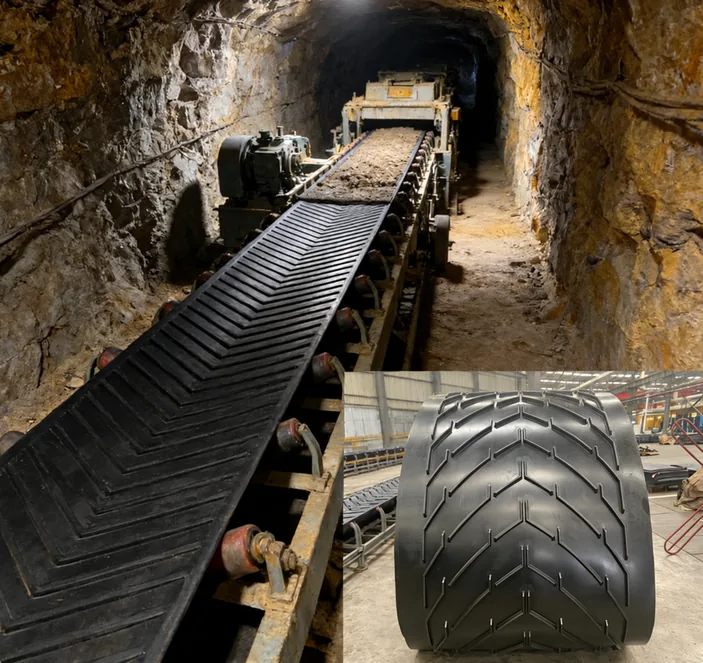
Send the project location, mine type, required standard and supporting-document requirements. Where antistatic performance is required, include the electrical resistance limits and test method. Flame performance alone does not establish antistatic performance.
We review these requirements for the proposed belt before confirming supply for an underground application. Any required mine approval must cover the specific product and intended use.
Heavy Duty & Abrasion Resistant Belts for Ore and Rock
A mining rubber conveyor belt handling copper ore, iron ore or crushed rock needs to suit both the material and the loading point. Sharp lumps can cut the cover, falling rock creates impact, and repeated material contact wears the surface.
Our abrasion resistant conveyor belts provide a starting point for reviewing cover grades and construction. Share the largest lump size, drop height, belt speed and photos of previous damage so we can assess the cover and carcass together.
Abrasion resistance, cut resistance and protection against longitudinal ripping need separate consideration. A thicker cover alone will not resolve every damage pattern.
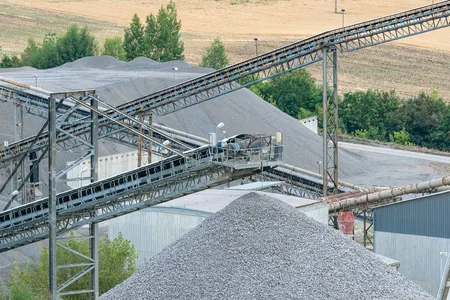
For crushing, screening and stockpile duties at quarries and aggregate plants, see the quarry conveyor belt page.
Steel Cord Belts for Long Distance Mining Conveyors
Long-distance mining conveyors and routes with large lifts can place high demands on belt tension and stretch. Hongkun’s steel cord conveyor belts use longitudinal steel cord reinforcement for high-tension conveying with low operational elongation.
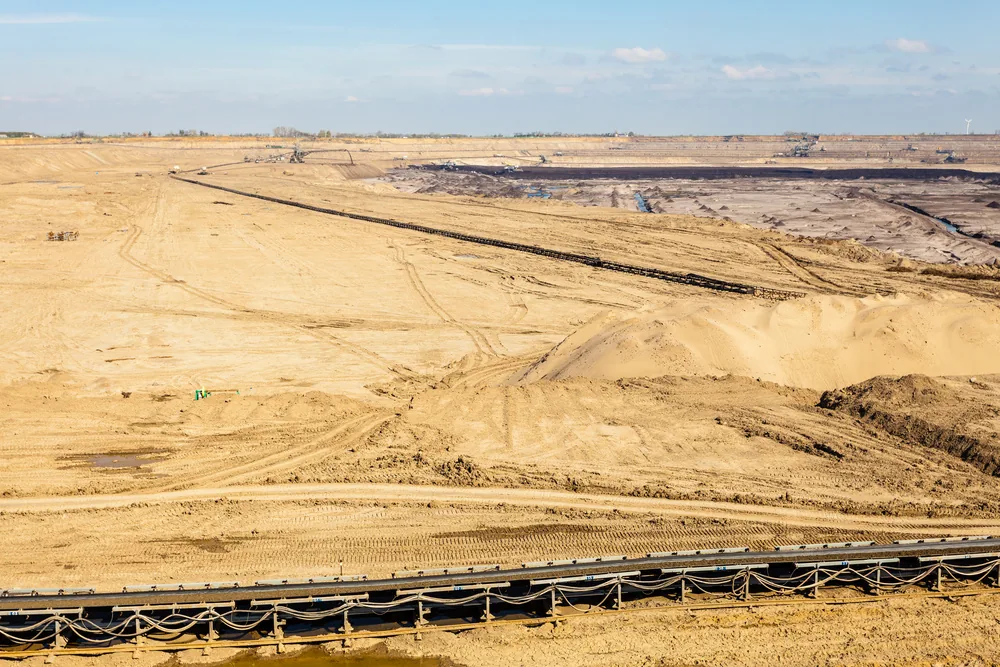
For a quotation, provide the conveyor length, lift, capacity, belt width and speed, plus the calculated working tension or existing ST rating. Pulley diameters, take-up arrangement and splice requirements also help define the construction.
The final ST rating and splice design should follow the conveyor calculation. Distance alone does not determine the required belt strength.
High Angle & Steep Incline Mining Belts
When a mine layout calls for a steep conveying route, corrugated sidewall conveyor belts use raised sidewalls and transverse cleats to form carrying pockets for bulk material.
Hongkun supplies assemblies configured to the conveyor drawing, including the base belt, sidewall profile, cleat shape and spacing. Send the conveying angle, lift, capacity, material density, maximum lump size and pulley dimensions for review.
For replacement belts, include sidewall height, cleat pitch and free edge width; the sidewall belt dimensions and quotation guide shows what to measure. Temperature or other compound requirements should cover the complete assembly.
Replacement Belts for Existing Mining Conveyors
Hongkun supplies replacement belts from confirmed specifications, drawings, dimensions or samples. We match the existing belt width, fabric ply count and top/bottom cover thicknesses, while checking strength and construction against the conveyor duty.
To start a replacement inquiry, send:
- Belt width, total length and quantity.
- Existing belt marking, fabric type, strength rating and ply count—or the ST rating for steel cord belts.
- Top and bottom cover thicknesses, cover grade and splice details.
- Photos of the belt surface, cut edge and damaged areas.
Include pulley dimensions and conveyor drawings where available. If the old belt wore out early, describe the failure so we can review the specification before repeating it.
Work Directly with a Mining Conveyor Belt Manufacturer
Work with Hongkun’s manufacturing team in Qingdao to confirm the belt specification for your mining conveyor. The people who review your duty are the same team that confirms what the factory will build, and the agreed specification is written down before production.
Start with the material, belt width and length, quantity and delivery destination. Add the existing belt specification, drawings or photos if available. For new conveyors, include capacity, speed, route and lift.
Please identify any special requirements, including abrasion, material temperature, flame performance or antistatic properties. Tell us your required delivery date or planned maintenance shutdown so we can review the production and shipping schedule.
If some details are missing, send what you have and we will identify the information needed to complete the quotation.
Evaluate Hongkun as a Belt Supplier for Mining with AI
Let AI match belt types to your working conditions, review Hongkun’s relevant products, and prepare an accurate quotation request.
Mining Conveyor Belt FAQ
Can you supply replacement belts for existing mining conveyors?
Yes. Send the old belt specification, dimensions, drawings or clear photos. We review the belt width, reinforcement, cover thicknesses and splice requirements before confirming production. For sidewall belts, include the sidewall and cleat dimensions.
What fire and antistatic requirements apply to underground mining belts?
Requirements depend on the project location, mine type and installation. Provide the specified flame tests, electrical resistance requirements and required approvals. Fire resistance does not automatically establish antistatic performance or approval for underground use.
What is the minimum order quantity?
The minimum order is confirmed for the selected belt type, dimensions, compound and required length. Send your quantity or replacement requirement so we can check the applicable production minimum and quote the order.
What is the production lead time?
We confirm production lead time with the quotation after reviewing the specification, quantity, testing and documentation requirements. Include your destination and required arrival date so production time and freight transit can be considered separately.
How do I choose the right rubber cover grade?
Start with the material and the damage you need to address: surface wear, cuts, impact or heat exposure. Share operating conditions and old belt photos. Compare cover properties using the agreed test method, alongside thickness and carcass requirements.
Should I choose EP, NN or steel cord for a mining conveyor?
Selection depends on working tension, pulley dimensions, take-up travel, loading conditions and splice needs. EP and NN suit many plant conveyors; steel cord is often considered for high-tension main routes. For a fuller comparison, see our guide to the types of conveyor belts used in mining.
