
How to Choose Conveyor Belts Used in the Cement Industry, Section by Section
The types of conveyors used in cement industry plants are chosen by the material being moved and the job each conveyor performs. Limestone handling calls for attention to wear and loading impact. Clinker after cooling may need a heat-resistant belt, while fine powders need a conveying system suited to dust control.
Start with the task below to find the relevant product range. Steep-incline conveying and bucket lifting are transport methods that may appear at different points in a plant.
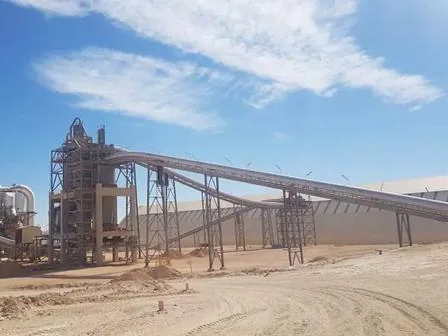
Types of Conveyors Used in Cement Industry by Plant Section
The table gives a starting point for product selection. Match the belt to the equipment already installed or planned.
On small screens, swipe to compare the table.
| Material and conveying task | Main considerations | Product direction |
|---|---|---|
| Limestone and other bulk raw materials | Wear, loading impact and conveying capacity | Fabric or steel cord belts with suitable wear resistance; explore industrial conveyor belts. |
| Clinker conveying after cooling | Heat exposure and abrasion | Heat resistant conveyor belts, where conditions suit rubber belting. |
| Cement and fine raw-material powders at ambient temperature | Dust control, loading and discharge, and equipment type | Standard belt or pipe belt where the conveyor design suits the material; pneumatic systems use air instead of a belt. |
| Bulk material carried on a steep incline | Material retention, layout and temperature | Corrugated sidewall conveyor belts; confirm a suitable heat-resistant construction for hot material. |
| Raw meal, cement or other suitable material lifted in a belt bucket elevator | Elevator type, load and material condition | Dedicated bucket elevator belts, matched to the elevator. |
Limestone and Other Bulk Raw Materials
A belt conveyor in a cement plant carrying limestone needs to suit both the material and the loading point. Sharp pieces and falling material can damage the belt, while repeated contact wears the surface. Wet or sticky raw materials also bring cleaning and material buildup into the selection.
Two parts of the belt serve different purposes:
- Reinforcement: Fabric or steel cords inside the belt carry tension and support the load.
- Rubber covers: The outer rubber surfaces protect the reinforcement and need to suit wear and other exposure.
Choose these together. Conveyor length alone does not decide whether fabric or steel cord is the better option.
Clinker Conveying After Cooling
For clinker conveying, heat resistance and wear resistance both matter. The heat-resistant product range linked above is the next step for clinker duties suitable for rubber belting. It covers the temperature guidance and selection conditions, so buyers can review those details in one place.
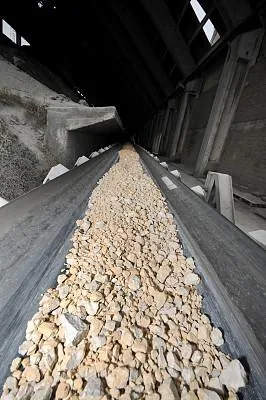
Cement and Fine Powders at Ambient Temperature
Fine powder handling starts with the conveying system. The three options below move material in different ways.
- Ordinary belt conveying: Material rests on a moving belt. Covers, seals and transfer arrangements need to suit the powder and dust-control requirements.
- Pipe belt conveying: A purpose-designed belt closes around the material along the carrying route. Consider pipe conveyor belts when the equipment layout calls for this enclosed belt arrangement.
- Pneumatic conveying: Air moves powder through a pipe. This system does not use a conveyor belt inside the pipe.
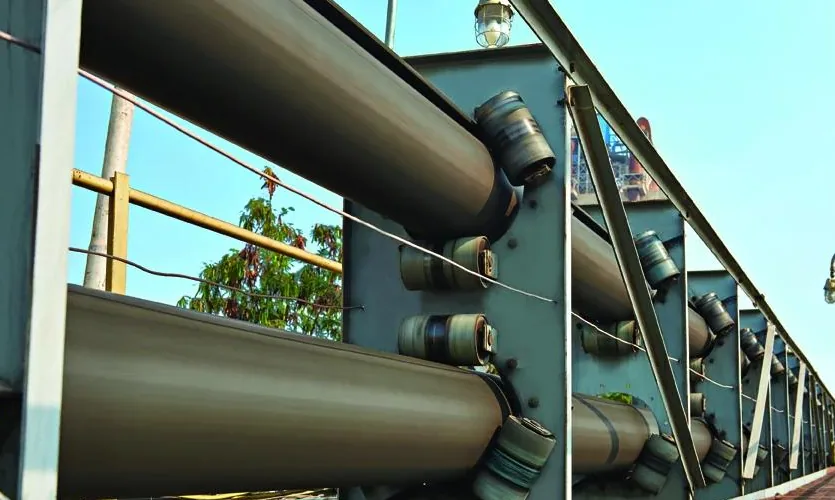
A pipe conveyor belt is therefore different from a pneumatic pipe system. For an existing plant, identify which system you have before ordering a replacement. For a new route, let the equipment designer confirm the conveying method before choosing the belt.
Bulk Material on Steep Inclines
Corrugated sidewall belts use raised sidewalls and crosswise cleats to retain bulk material as the belt rises. They are a product direction for steep routes where a smooth belt would not retain the material adequately.
Use the sidewall product page for construction options. For hot material, the base belt, sidewalls and cleats need a compatible heat-resistant construction.
Bucket Elevators in Cement Plants
A belt bucket elevator in a cement plant carries attached buckets that lift raw meal, cement or other suitable bulk material. The product direction depends on the elevator and the material being lifted.
The bucket elevator product page covers fabric and steel cord options. If the equipment uses a chain elevator, it needs the corresponding chain system rather than a replacement belt.
Research This Topic with AI
Let AI verify the key technical points against independent sources, separate Hongkun’s manufacturing experience from industry standards, and turn this article into practical buying decisions.
FAQ: Conveyor Belts Used in Cement Industry
What types of conveyors are used in the cement industry?
Most cement plants use several types: belt conveyors for limestone and clinker, sidewall belts for steep routes, belt or chain bucket elevators for vertical lifting, and pipe belt or pneumatic systems for fine powder. The right type depends on the material, temperature and layout at each section.
Does every belt in a cement plant need heat resistance?
No. Hot clinker and materials handled at ambient temperature place different demands on a belt. Select heat resistance for the actual duty rather than applying it to every conveyor in the plant.
Can one belt specification cover several conveyors?
Only where the equipment and operating requirements allow it. Two conveyors carrying limestone may still have different loads or loading conditions. Group purchases by confirmed belt specifications rather than by the plant name alone.
Should bagged cement use the same belt as loose cement powder?
Treat them as separate handling tasks. Bagged cement needs a conveyor suited to packaged goods, while loose powder raises containment and transfer questions. Check the equipment type before selecting the belt.
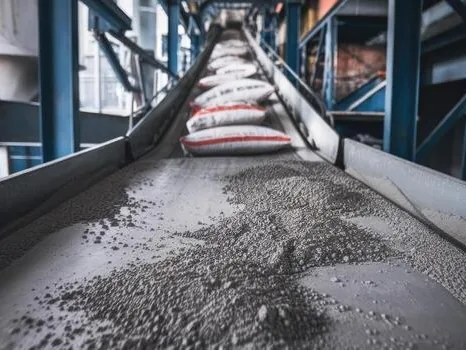
Discuss Your Cement Plant Belt Application
Hongkun can review the material, existing equipment and belt information you already have. Start with a photo, an existing specification or a short description of the application. Further details can be clarified as the inquiry progresses.
For replacement measurements, follow the relevant existing guide:
Use the Conveyor Belt Selection Tool for preliminary product guidance. You can also send an inquiry to Hongkun with the information available.
