
How Long Does a Shot Blasting Machine Rubber Track Last?
There is no reliable universal month count for a shot blasting rubber track. Its working life depends on operating hours, workpiece load, abrasive condition, loading practice, machine condition, track construction, and daily inspection.
Two identical machine models can produce different track life. One may process light, smooth parts for one shift. Another may run several shifts with heavy or sharp workpieces. The second track usually faces more impact, flexing, and local stress.
How long does a shot blasting rubber track usually last?
A universal range cannot be stated from the machine model alone. Hongkun has not supplied verified fleet data that supports one typical number for every application. Any fixed month or hour claim would therefore be misleading.
Calendar life is useful only when machine use stays stable. Operating hours are better when shift patterns change. Processed batches can be more useful when batch size and part mix remain consistent.
| Tracking method | Best used when | What else to record |
|---|---|---|
| Calendar months | Production is stable throughout the year | Shifts and downtime |
| Operating hours | Daily machine use changes | Average load and part mix |
| Processed batches | Batch size is controlled | Batch weight and cycle time |
| Processed tonnage | Weight data is available | Part shape and impact severity |
How Do Operating Hours and Workpiece Load Affect Track Life?
More operating hours create more flex cycles around the rollers. More cycles usually mean more cumulative wear at the cover, cleats, holes, edges, and joint.
Heavy batches increase impact and carcass stress. Part shape matters as well. Sharp edges and concentrated contact points can cause more local damage than smooth parts of the same total weight.
How Do Abrasive and Loading Conditions Affect Service Life?
Abrasive that remains under the track can increase rubbing and interfere with movement. Blocked drainage holes or poor abrasive return can make this problem worse.
Loading also affects damage. Dropping parts from excessive height can create a concentrated impact. Overloading may reduce free tumbling and increase stress on the track and cleats.
Abrasive
Record the media type, contamination, carryover, and any buildup below the track.
Loading
Check batch weight, loading height, part distribution, and whether parts can tumble freely.
Machine condition
Check alignment, rollers, tension, take-up position, drainage, and abrasive-return components.
Which Factors Have the Greatest Effect on Rubber Track Lifespan?
| Lifespan factor | How it affects the track | What to record |
|---|---|---|
| Operating frequency | More hours create more flex cycles and cumulative wear | Hours, shifts, and batches |
| Workpiece weight | Heavy loads increase impact and carcass stress | Unit weight and batch weight |
| Workpiece shape | Sharp edges may create concentrated damage | Part photos and shape |
| Abrasive condition | Buildup and contamination may increase rubbing | Media type and buildup |
| Loading method | Excessive drop height creates local impact | Loading height and method |
| Machine condition | Alignment, rollers, and tension affect wear patterns | Inspection findings |
| Cleats, holes, and joint | Local damage may reach a replacement limit before surface wear | Dated close-up photos |
| Maintenance | Early correction may prevent larger damage | Inspection and repair log |
How Do Cleat Wear, Hole Tearing, and Joint Fatigue Develop?
Cleat wear
Cleats help lift and turn the workpieces. Worn, cracked, or detached cleats can change part movement and place uneven loads on the track.
Hole-edge damage
Holes create local stress areas. Blocked drainage, poor engagement, repeated impact, or carcass damage can contribute to tearing around them.
Joint fatigue
The joint flexes around the rollers during every cycle. A raised ridge, open edge, crack, or exposed fabric needs technical review before it becomes a larger failure.
How Can Daily Inspection Extend Rubber Track Life?
Short, regular checks help identify a correctable machine or loading problem before damage grows. Record photos from the same positions so wear trends are easier to compare.
- Remove trapped abrasive and debris where the machine procedure allows.
- Check tracking, tension, take-up position, rollers, and unusual movement.
- Inspect cleats, hole edges, both track edges, and the vulcanized joint.
- Look for cracks, cuts, bulges, exposed fabric, stretching, and uneven wear.
- Record operating hours or batches at each inspection.
When should a shot blasting rubber track be replaced?
Replace the track when damage creates an unacceptable risk to tracking, engagement, workpiece movement, abrasive drainage, or the reinforced carcass. The final decision should follow the machine manufacturer’s safety and maintenance requirements.
- The joint is opening, cracking, lifting, or exposing reinforcement.
- Holes are tearing or no longer match the drive mechanism correctly.
- Cleats are badly worn, cracked, loose, or detached.
- The track shows severe stretching, edge damage, bulging, or exposed fabric.
- Uneven wear or tracking cannot be corrected through approved adjustment.
- Damage is progressing faster between inspections.
How to build a useful track-life record
Keep the lifespan log focused on operating conditions and wear. Replacement dimensions and purchasing specifications belong in a separate selection guide.
- Installation and removal dates
- Estimated operating hours or processed batches
- Average batch weight and major changes in the part mix
- Workpiece shape and any sharp-impact concerns
- Abrasive type, condition, and buildup observations
- Loading method and cycle frequency
- Dated photos of cleats, holes, edges, joint, and unusual wear
- Removal reason and the first area that reached its limit
Frequently Asked Questions
How many months does a shot blasting rubber track last?
There is no reliable universal month count. Compare operating hours, processed batches, load, workpiece shape, abrasive condition, and removal reason under similar conditions.
What causes a shot blasting rubber track to wear out early?
Common contributors include heavy or sharp workpieces, overloading, abrasive buildup, poor tracking, incorrect tension, damaged rollers, blocked drainage, cleat wear, hole tearing, and joint fatigue.
Can daily inspection extend rubber track life?
Regular inspection can identify abrasive buildup, tracking problems, abnormal tension, local tearing, or joint damage before the problem becomes more severe.
When should a shot blasting rubber track be replaced?
Replace it when damage affects safe tracking, drive engagement, workpiece movement, abrasive drainage, or carcass integrity. Follow the machine manufacturer’s maintenance requirements.
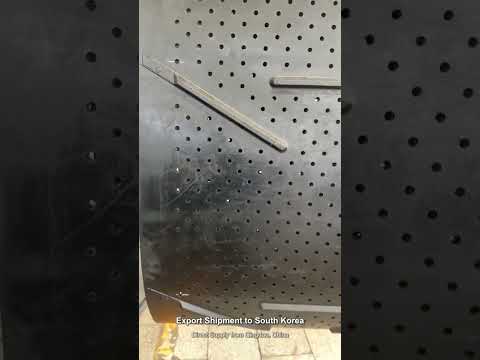
Watch the Shot Blasting Rubber Track in Operation
Share the operating history and failure photos
Hongkun can review operating hours, batch load, workpiece shape, abrasive condition, loading practice, machine observations, wear photos, and the previous removal reason.

Stop blaming yourself, it’s the quality!
“Thanks for the great technical breakdown! I bought tracks from another supplier before, and they completely broke down within just 3 months because of the terrible joint quality. I honestly thought it was my operation fault at first, but now I realize it was just inferior quality from that vendor. Switched to this factory and the difference is huge. Highly recommend!”